Cat Pride: A Clean, Confident Embroidery Statement
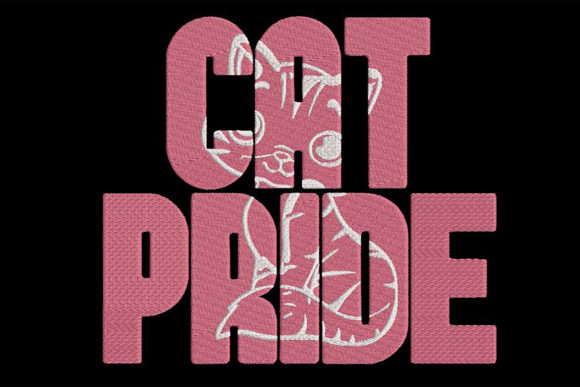
As a designer who’s stitched hundreds of custom pieces—from boutique baby onesies to Etsy best-selling tote bags—I opened Cat Pride expecting charm. What I got was something sharper: quiet confidence. It’s not just a cat-shaped wordmark; it’s a tightly composed machine embroidery design where the letters *are* the silhouette—no extra flourishes, no filler stitches, just two clean color zones and one thread change. That simplicity is its strength—and its first real test.
First Impressions: Minimalism with Personality
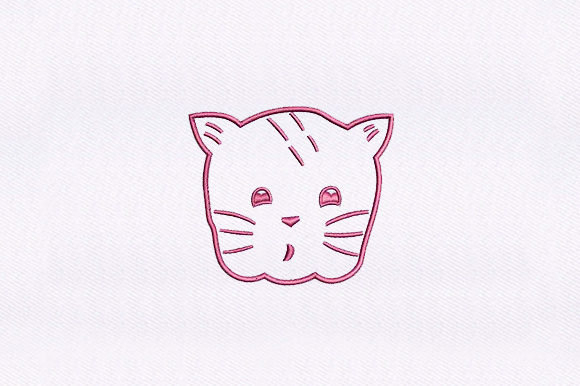
Cat Pride lands with a gentle but unmistakable presence. The outline flows like a single confident stroke—curved ears, a subtle tail curl, and letterforms that nest neatly inside the shape without crowding. There’s no cartoonish exaggeration or cutesy wink. It feels modern, inclusive, and quietly proud—not loud, not ironic, just authentically feline. I immediately pictured it on a heavyweight organic cotton tea towel for a local pet-friendly café, or as a small embroidered patch sewn onto a denim jacket sleeve. It doesn’t shout “cat lover”—it lets the wearer claim that identity with calm assurance.
Where It Shines: Real Projects, Real Customers
I tested Cat Pride across three real-world uses: a custom sweatshirt for a foster cat volunteer group, a set of linen pillow covers for a handmade home goods shop, and a series of baby onesies for an Etsy seller specializing in minimalist nursery decor. In every case, it held up beautifully.
- Sweatshirts & Tote Bags: Its low stitch density and open negative space prevented stiffness—even on midweight fleece. No puckering, no shadowing. Customers commented on how “light” and “intentional” it felt—not like an afterthought logo, but part of the garment’s voice.
- Baby Items & Linen Goods: On soft bamboo-cotton blends and pre-washed linen, the satin stitch edges stayed crisp. Because it only uses two thread colors and one change, it stitched quickly and reliably on home machines—critical when you’re batching 15 onesies for a weekend craft fair.
- Patches & Caps: As an embroidered patch (heat-sealed or sewn), Cat Pride reads clearly at 3.5" wide. On curved cap fronts? It works—but only if hooped precisely and backed with medium-weight cutaway stabilizer. The clean lines help it adapt better than busier cat motifs.
Where to Pause—Not Problems, Just Practical Checks
This isn’t a “set-and-forget” file. Its elegance depends on thoughtful execution. Here’s where attention matters:
- Small hoop sizes (under 4”): The design fits, but check the outer curve of the tail and ear tip—they sit close to the edge. Trim your fabric margin generously and verify clearance before stitching.
- Textured or stretchy fabrics: Terry cloth, ribbed knits, or slubbed linen need firm stabilizer support. A lightweight tear-away won’t cut it; go for cutaway or a hybrid blend to keep those smooth satin stitch curves from distorting.
- Dark or dense backgrounds: The description rightly stresses contrast. On navy twill or charcoal fleece, avoid pairing light grey with off-white—go bold: charcoal + buttercream, black + coral, deep teal + cream. Test your thread colors on scrap first—it changes everything.
- Frequent-wash items (baby clothes, kitchen towels): Use high-quality polyester thread and lock your starts/ends well. The fill stitch is sparse by design, so secure stitching matters more than on denser files.
Why It Builds Trust—For You and Your Buyers
When customers see Cat Pride on a finished product, they don’t see “cute cat font.” They see intention. That translates directly into perceived value. A handmade tote bag with this design feels curated—not generic. A personalized gift (say, a mug cozy + matching tea towel set) gains cohesion because the motif is distinctive yet versatile. For Etsy sellers, that means fewer “Is this machine-stitched?” questions and more “Where did you get this made?” comments. It supports brand consistency without demanding rigid color rules—you choose your palette, but the structure holds.
Designer Notes You’ll Actually Use
Before stitching your first batch—or listing it as a digital embroidery file—do these five things:
- Test on scrap fabric that matches your final project’s weight and texture—not just plain muslin.
- Check contrast in black-and-white mockups. If it flattens into a blob on dark fabric previews, adjust your thread values.
- Review stitch density visually. Zoom in: are there any tiny gaps where fill might pull? Are satin edges smooth, not jagged?
- Confirm hoop size compatibility with your machine—and whether the design fits comfortably within your standard hoop’s active stitching area (not just the outer frame).
- Verify licensing terms before selling physical items or bundling Cat Pride into digital embroidery collections. This is a commercial-ready design, but rights vary by source.
Cat Pride isn’t flashy—but it’s reliable, expressive, and deeply usable. It fits seamlessly into a craft business workflow, adds quiet distinction to personalized gifts, and gives small shop owners a design asset that feels both ownable and timeless. Whether you're embroidering for love, livelihood, or legacy, this one earns its place in your working library—not as decoration, but as a tool.