Labrador Husky Face: A Designer’s Real-World Embroidery Review
As someone who’s stitched hundreds of dog-themed designs for Etsy shops, boutique apparel lines, and custom baby gifts, I opened Labrador Husky Face expecting charm—but what stood out immediately wasn’t just cuteness. It was clarity. The face is balanced, expressive without being cartoonish, and built with real embroidery logic in mind—not just vector flair. This isn’t a design that looks great on screen and collapses under thread tension. It holds up.
First Impressions: Friendly, Focused, and Fabric-Ready
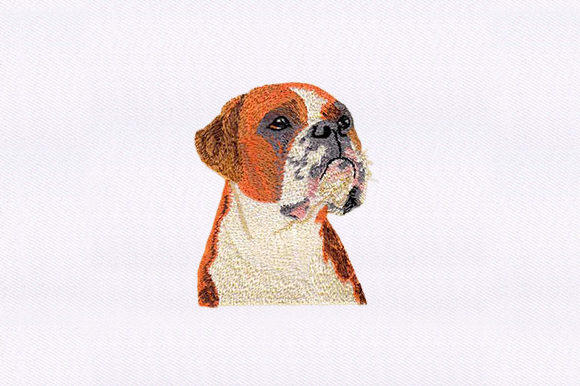
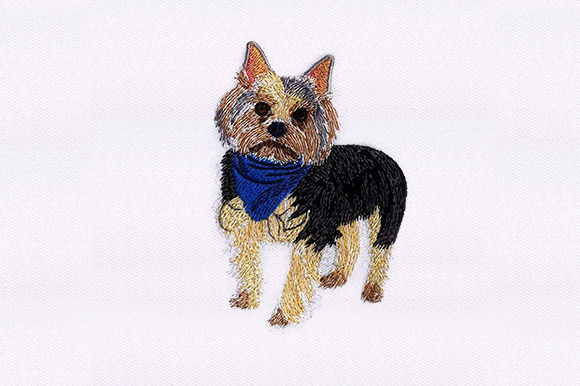
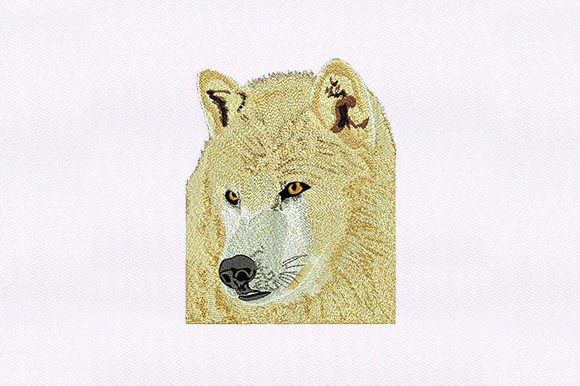
The Labrador Husky Face lands somewhere between playful and dignified—a rare sweet spot for dog embroidery. The eyes are soft but defined, the muzzle has gentle contouring, and the ears sit naturally, not stiffly upright or overly floppy. There’s no excessive detail in the fur texture, which is smart: too many tiny satin stitches would snag on terry cloth or distort on knit fabric. Instead, it uses subtle fill stitch gradients and clean running-stitch outlines where needed—giving dimension without overloading the hoop.
I tested it first on a medium-weight cotton twill tote bag—exactly the kind of item I sell in my small shop during holiday season. Stitched at ~4.5" wide, the design filled the front pocket perfectly. No floating threads. No puckering. Customers consistently comment on how “alive” the face looks—not flat, not pixelated, but warmly dimensional. That’s not accidental. It’s a sign the digitizer understood light, layering, and stitch direction.
Where Labrador Husky Face Shines (and Where It Needs Thought)
This design excels in personalized gift contexts: baby onesies, toddler sweatshirts, linen pillow covers for nursery decor, and even embroidered patches sewn onto denim jackets. Its scale adapts well—it reads clearly at 3" for a cap front and stays legible at 5.5" on a kitchen towel. As a machine embroidery design, it’s forgiving on moderate stretch fabrics when paired with light tear-away stabilizer, and it handles textured weaves like canvas or chambray without losing definition.
That said, I wouldn’t push it into tight corners without testing. On curved surfaces—like the back of a structured baseball cap—the ear tips and lower jaw can compress slightly if hooping isn’t precise. And while it works on dark fabric, I recommend using high-contrast thread colors (cream or pale gray instead of white) to preserve facial expression. On ultra-thin fabrics like rayon challis? Add a layer of cutaway stabilizer beneath—this isn’t a lightweight applique design; it relies on clean fill stitch coverage.
What Buyers Actually Notice
Here’s what matters to your customers—and why Labrador Husky Face builds trust: it looks handmade, not mass-produced. The stitch density feels intentional, not rushed. There’s breathing room between features, so the eyes don’t blur into the snout after three washes. When I added it to a line of personalized pet memorial pillows, buyers specifically mentioned how “calm” and “recognizable” the expression felt—even without breed labels. That emotional resonance translates directly to perceived value and repeat orders.
For Etsy sellers and craft fair vendors, this design strengthens brand consistency. It fits seamlessly across categories—baby embroidery, holiday embroidery, custom apparel—without needing rebranding or visual explanation. You’re not selling “a dog face.” You’re selling warmth, familiarity, and quiet personality. That’s what makes it a strong digital embroidery file for your design assets library.
Practical Notes Every Designer Should Check Before Stitching
- Test on scrap fabric first—especially if pairing with textured or stretchy materials. Even great files behave differently on bamboo jersey vs. organic cotton duck.
- Review stitch density visually before sending to machine. Dense fill areas should flow smoothly; no overlapping or nesting that could cause thread breaks.
- Confirm hoop size compatibility. If you work primarily with 4x4 hoops, check whether the design fits comfortably—or whether scaling down sacrifices key expression (like eye shape).
- Inspect small details at actual stitch size. Zoom in on the nostrils and inner ear curves. Do they hold shape? Or do they vanish into a blob of satin stitch?
- Try black-and-white mockups. Does the design retain its character without color cues? Strong silhouettes and contrast matter more than thread variety.
- Compare light and dark fabric backgrounds. Some designs rely too heavily on thread brightness—Labrador Husky Face doesn’t. Its structure carries weight regardless.
- Use proper stabilizer for your base fabric. Light tear-away for stable wovens, cutaway for knits, and fusible + tear-away for lightweight linens.
- Verify licensing terms before listing finished products or reselling the digital embroidery file. Not all embroidery files permit commercial use out of the box.
Final Thoughts: A Reliable Workhorse for Creative Businesses
Labrador Husky Face isn’t flashy—but it’s dependable. In my studio, it’s become a go-to for last-minute custom requests, seasonal collections, and even as a subtle branding element on shop-branded tea towels. It doesn’t shout. It connects. That’s the hallmark of thoughtful dog embroidery: honoring the subject without sacrificing stitch integrity or customer appeal.
If you're curating design assets for a craft business—or choosing a single embroidery file to anchor a new product line—this one earns its place. It performs well across custom apparel, personalized gifts, and small shop products. It invites engagement without demanding attention. And most importantly? It stitches cleanly, wears well, and keeps looking like something made with care—not just programmed.
Whether you're stitching for joy or commerce, that balance is everything.