Mandala Octopus: A Craft Fair Standout
First Impression: Bold, Whimsical, and Instantly Recognizable
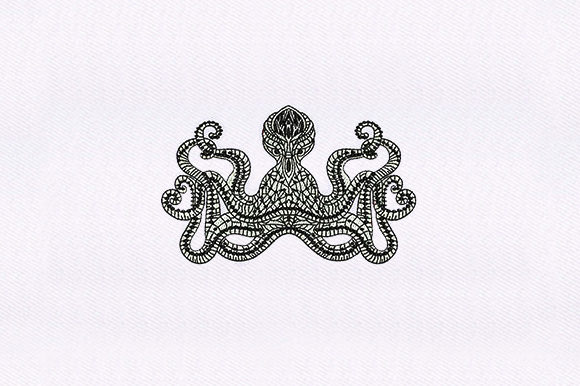
As an embroidery designer who’s prepped over 200 craft fair booths, I’ll say it straight: Mandala Octopus lands with confident charm. It’s not “cute” in a pastel-kitten way — it’s bold, slightly mystical, and playfully intelligent. The fusion of mandala symmetry with octopus tentacles creates visual tension that draws the eye without feeling chaotic. At a glance, it reads as modern yet handcrafted, premium but approachable — exactly the sweet spot for handmade markets where shoppers scan quickly but buy emotionally.
Where Mandala Octopus Shines on Real Craft Fair Products
In my booth setup, Mandala Octopus performs strongest when scaled intentionally — not too tiny, not overwhelmingly large. Here’s how it translates across key products:
- Tote bag design: Centered on natural canvas or heavyweight linen, it becomes a conversation starter. The radial balance holds up beautifully at 5–6 inches wide — large enough to read from three feet away, small enough to avoid overwhelming the bag.
- Apron embroidery: Placed just below the pocket (not centered high), it adds artisanal weight without competing with function. Works especially well on indigo-dyed or oatmeal linen — colors that let the thread colors sing.
- Tea towel embroidery: On tightly woven cotton or flour-sack towels, the mandala’s fine lines stay crisp — but only if stitch density is moderate. Avoid ultra-thick terry weaves; they swallow detail.
- Embroidered patch: This is where Mandala Octopus truly excels. As a sew-on or iron-on patch, it’s portable, giftable, and highly Instagrammable. Customers love adding it to denim jackets or backpacks — and it photographs brilliantly for Etsy listings.
- Pillow cover & small pouch: At 3.5–4 inches, it reads clearly as a focal motif. The octopus tentacles curve naturally around corners, making it surprisingly adaptable to square and rounded edges.
What Makes Mandala Octopus Sell — and What Requires Caution
Customers notice Mandala Octopus because it balances familiarity (mandala = calm, intentional) with surprise (octopus = clever, unexpected). That duality builds instant intrigue — critical when buyers have under five seconds to decide at a crowded market.
That said, its intricacy demands attention to production realities:
- Dense stitch areas: The central mandala hub often packs tight satin stitches. On dark fabric or textured tea towels, this can blur unless you use high-contrast thread and a cutaway stabilizer.
- Tiny details: Tentacle tips and inner linework shrink fast. Below 2.75 inches, clarity drops — so skip it for baby onesies or cap brims unless you’ve tested thoroughly.
- Curved surfaces: Caps and curved market bags require re-hooping or specialty hoops. Mandala Octopus’s symmetry helps — but don’t assume it auto-adjusts. Test on scrap first.
- Fabric texture matters: Smooth cotton poplin? Ideal. Heavy burlap or nubby boiled wool? Reconsider — or simplify the file manually before stitching.
Photography, Listings, and Batch Production Reality
For Etsy sellers and digital embroidery file shops, Mandala Octopus is a strong visual asset — but only if photographed thoughtfully. It pops against neutral backdrops (stone, raw wood, unbleached muslin), especially with natural light. Avoid busy patterns behind it; the design needs breathing room to communicate its intentionality.
As a machine embroidery design, it’s highly repeatable for batch production — provided your digitizing includes consistent underlay and clean jump stitches. That means fewer thread breaks, less re-hooping, and smoother runs across 50+ tote bags or pillow covers. Just confirm the hoop size matches your most-used frame before scaling batches.
Design Notes Every Embroidery Business Owner Should Follow
Before cutting your first production run, do these six things — no exceptions:
- Test on scrap fabric that matches your final product (e.g., actual tea towel weave, not quilting cotton).
- Check thread contrast — especially for dark fabrics. White or pale gold thread often reads better than black-on-black.
- Review spacing and stitch density in your embroidery software. If the center looks muddy, reduce satin stitch density by 10–15%.
- Confirm hoop size and placement — some versions of Mandala Octopus may include multiple layout options (single, mirrored, or border-ready). Use what fits your workflow.
- Use the right stabilizer: Medium-weight cutaway for stable fabrics like canvas; tear-away + topping for towels to prevent puckering.
- Create at least one real mockup — not just a printable mockup. See how it feels in hand, how light hits the threads, and how it hangs on a tote. That version becomes your booth sample — and your best sales tool.
Final Thought: Brand Alignment and Booth Impact
Mandala Octopus isn’t just another digital embroidery file. It’s a brand amplifier. When stitched consistently across your handmade product line — aprons, patches, pouches — it signals craftsmanship, intention, and quiet confidence. At a craft fair, that consistency builds recognition faster than any sign or banner.
It elevates perceived value: customers see the detail and assume higher quality, even before touching the fabric. And because it works equally well as a standalone statement or part of a curated set (e.g., matching tea towel + pouch + patch), it supports upselling and cross-merchandising.
Just remember: commercial embroidery rights must be confirmed before selling finished products. If your Mandala Octopus purchase includes commercial licensing, keep that documentation handy — especially for wholesale inquiries or boutique consignment.
In short? This is a craft fair product with staying power — not a trend-chaser, but a thoughtful anchor for makers who value both beauty and buildability.