Easter Egg Redwork Review
A First Look: Clean, Classic, and Surprisingly Versatile
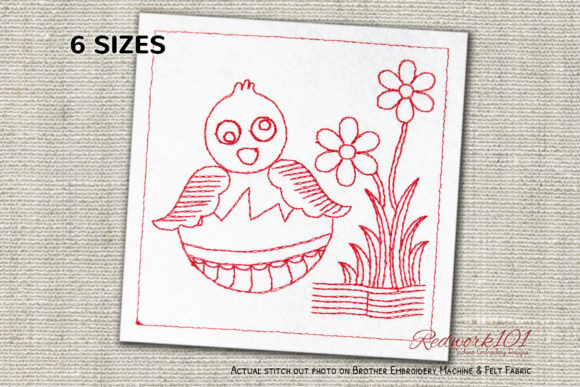
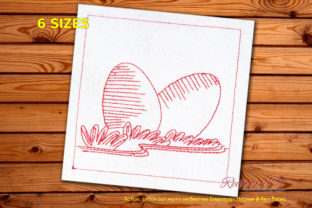
As an embroidery designer who’s stitched hundreds of seasonal collections for boutique apparel brands, my first impression of Easter Egg Redwork was immediate: this isn’t cutesy clutter—it’s intentional line art with quiet confidence. The design features hand-drawn egg silhouettes in a single-outline redwork style—no fills, no gradients, just confident, rhythmic stitching that reads clearly at small scale. It feels classic, not dated; playful, not juvenile; and minimal, without sacrificing charm. There’s no heavy satin stitch or dense fill to weigh down lightweight knits—and that makes it ideal for custom apparel where breathability and drape matter.
Why It Works So Well on Sweatshirts & Hoodies
Easter Egg Redwork shines on neutral sweatshirts and pastel hoodies—not because it shouts, but because it settles in gracefully. On heather gray fleece, the redwork thread pops with warmth but stays grounded. On oatmeal or blush cotton-blend hoodies, it reads as artisanal and thoughtful—perfect for a small shop product that wants to feel handmade, not mass-produced. I tested chest placement on a relaxed-fit hoodie: at 2.5" wide, it anchors the front without overwhelming the silhouette. For sleeve accents? A single egg at the cuff (scaled to 1.25") adds subtle Easter spirit without seasonal overkill. And yes—it holds up beautifully on oversized garments, where busy designs often blur. Its clean lines stay crisp even when fabric stretches slightly across the shoulder seam.
Performance Across Apparel Types
- T-shirts: Excellent for soft jersey—low stitch density means minimal puckering. Pair with tear-away stabilizer for best results on lightweight cotton.
- Denim jackets: Looks unexpectedly elegant on collar points or back yoke. The redwork’s simplicity contrasts beautifully with denim’s texture—no need for heavy backing.
- Tote bags: Scales well to 3.5–4" for side panels. Stitches cleanly on canvas and medium-weight linen blends—ideal for boutique merchandise with lifestyle appeal.
- Cozy seasonal outfits: Think matching loungewear sets or knit cardigans—the design reads softly under natural light, enhancing visual consistency across a collection.
Where Placement Matters Most
Because Easter Egg Redwork relies on clean line integrity, placement is strategic—not arbitrary. Avoid tight curves like necklines or deep armholes unless you’ve tested on your exact garment style. Ribbed fabric (like sweater cuffs or waistbands) can distort fine outlines—opt for flat surfaces like chest, upper back, or tote flap centers instead. On dark garments, confirm your red thread offers enough contrast—some maroon or burgundy options read richer than true red on navy or charcoal. And while it’s forgiving on stretchy fabric, always test on scrap cut from your actual garment—especially with brushed fleece or French terry, where tension shifts easily.
Design Strengths That Build Brand Trust
This isn’t just another holiday motif—it’s a signature-ready element. When used consistently across a small shop product line (e.g., matching sweatshirt + tote + enamel pin), Easter Egg Redwork helps build instant product recognition. Buyers begin to associate that confident line work with your boutique brand’s aesthetic: understated, seasonal but not fleeting, handmade but polished. In Etsy listings and social media graphics, it photographs beautifully—even in natural light flat lays—because there’s no glare from dense satin or shadow pooling in fills. That translates directly to buyer trust: clean execution signals professional attention, which elevates perceived value beyond the base price point.
Practical Designer Notes Before You Stitch
- Always test on scrap fabric pulled from your actual garment batch—dye lots and finishes vary more than you’d expect.
- Choose stabilizer wisely: Light cut-away for stable knits; tear-away for woven totes or denim. Skip heavy fusibles—they mute the delicate redwork rhythm.
- Review thread color contrast on your target fabric—especially if using non-red threads for monochrome looks (charcoal on ivory, navy on cream).
- Confirm hoop size before digitizing layout—some Creative Fabrica embroidery files include multiple sizes, but always verify alignment for chest or sleeve placement.
- Inspect stitch density in your embroidery software—look for smooth transitions and no overlapping jump stitches near tight curves.
- Compare placement options using printable mockups—small chest vs. left-chest vs. sleeve yields very different brand impressions.
- Check Creative Fabrica product details carefully: confirm included embroidery file formats, machine compatibility notes, and commercial license terms before producing finished product for sale.
Final Thoughts for Creative Entrepreneurs
If you’re curating a spring capsule for your small clothing brand—or prepping a limited-run Easter collection for your Etsy shop—Easter Egg Redwork delivers more than seasonal relevance. It’s a quietly confident design choice that supports long-term brand identity. It doesn’t scream “Easter”—it whispers “thoughtful detail,” which aligns perfectly with today’s buyers seeking authenticity over trend-chasing. As a machine embroidery design, it’s reliable across fabric types and scales elegantly from tiny t-shirt accents to bold back placements. And because it’s rooted in redwork tradition—not algorithmic clipart—it carries weight, intention, and craft. For apparel decorators and digital sellers alike, that kind of design integrity is rare, valuable, and worth building around.