Seaweed Embroidery Design Review
A Playful, Understated Anchor for Boutique Apparel
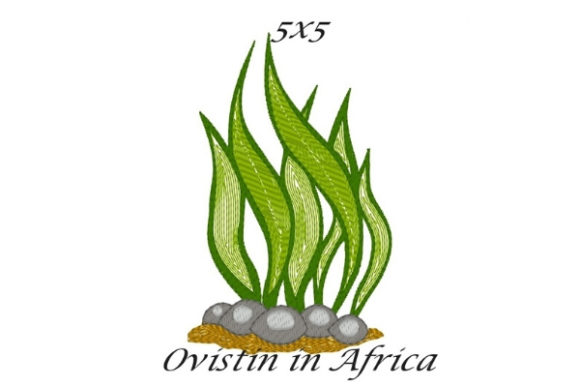
As an embroidery designer who’s built collections for small clothing brands and Etsy sellers over the past 12 years, my first impression of Seaweed was immediate: it’s quietly confident—not loud, not fussy, but full of subtle rhythm. The lines flow with organic looseness, like real kelp swaying just beneath the surface. It reads as cute without being cutesy, playful without sacrificing polish, and lightweight in visual weight—a huge advantage when working with delicate or textured fabrics. Unlike many beach-themed machine embroidery designs that lean into cartoonish bubbles or exaggerated coral, Seaweed feels grounded, botanical, and gently modern. That makes it unusually versatile across age groups and aesthetics—from minimalist baby onesies to coastal-chic sweatshirts for teens and adults.
How Seaweed Translates to Sweatshirt & Hoodie Projects
For boutique apparel, especially custom sweatshirt embroidery and hoodie design, Seaweed shines in chest placement. Its vertical orientation and gentle curve naturally follow the contour of a relaxed neckline or ribbed cuff. On neutral heather grey or oatmeal sweatshirts, it reads as soft and intentional—a quiet signature rather than a statement. On pastel hoodies (think mint, blush, or sky blue), it adds a whisper of seaside charm without competing with fabric tone. And yes—it works on dark garments too, provided you choose high-contrast thread colors like lime green, seafoam, or crisp white. Just avoid overly dense fill areas if stitching on heavy fleece; the design’s inherent lightness helps here, but always test on scrap fabric first.
Sleeve accents, back panels, and oversized silhouettes
- Sleeve placement: Works beautifully on the upper bicep of oversized hoodies—its flowing shape echoes natural arm movement.
- Back designs: Scale up slightly for center-back placement on crewnecks or zip-ups; the repetition of curves creates rhythm without overwhelming.
- Oversized garments: Because Seaweed avoids tight detail or micro-stitching, it holds clarity even at 3.5–4 inches tall—ideal for today’s relaxed fits.
Performance Beyond Sweatshirts: Totes, Denim, and Lifestyle Merch
Seaweed is equally effective on t-shirts (especially lightweight jersey), denim jackets (as a subtle left-chest accent), and canvas tote bags. Its clean line work translates well to printable mockups—meaning your Etsy listings and social media graphics will look cohesive and professional without heavy retouching. As a Creative Fabrica embroidery file, it’s ideal for small shop product development: low stitch density means faster run times, less thread waste, and gentler wear on machines during batch production. For lifestyle product photos, it adds texture and narrative—think a cozy oversized sweater paired with a ceramic mug and seashells. That kind of visual consistency builds buyer trust and reinforces brand identity across your digital storefront.
Where to Use It Carefully—and Why
While Seaweed is forgiving, thoughtful execution matters. Avoid placing it directly over highly stretchy fabric (like ribbed necklines) without proper stabilizer—test first on similar garment fabric to confirm hold. Curved surfaces (e.g., rounded pockets or tapered hems) benefit from slight repositioning so the base of the seaweed aligns with the grain. On fleece or terry cloth, use medium-weight cutaway stabilizer to prevent puckering in the longer stems. And because the design includes fine, tapering ends, double-check thread color contrast—dull or muddy greens can disappear on olive or charcoal apparel. Always confirm hoop size requirements before digitizing for commercial embroidery; mismatched hoops cause registration issues, especially on curved seams.
Design Integrity Meets Commercial Practicality
What sets Seaweed apart in the Beach category isn’t novelty—it’s restraint. In a market saturated with bold anchors, palm trees, and sunbursts, this embroidery file offers breathing room. That restraint elevates perceived value: customers associate clean, considered design with premium handmade product quality. For Etsy sellers and small clothing brands, that perception directly supports higher price points and repeat engagement. When used consistently across a collection—say, on matching toddler tees, parent sweatshirts, and coordinating totes—it strengthens product recognition and tells a unified story. And because it’s rooted in nature rather than trend, it won’t feel dated next season.
Essential Designer Notes Before You Stitch
- Always run a test stitch on scrap fabric matching your target garment’s weight and texture.
- Choose stabilizer based on fabric type—not just the design. Light tear-away for stable cottons; cutaway for knits and fleece.
- Review thread color contrast carefully—especially on dark or textured apparel.
- Confirm hoop size compatibility with your machine and intended placement (e.g., chest vs. sleeve).
- Inspect stitch density visually—Seaweed should feel airy, not congested.
- Compare placement options using a fabric marker or heat-transfer pen before hooping.
- Check the Creative Fabrica product details thoroughly—especially licensing terms for commercial embroidery and finished product resale.
Final Thought: A Small Design With Big Cohesion Potential
Seaweed isn’t just another beach-themed embroidery file. It’s a quiet connector—between baby clothes and adult apparel, between nursery decor and boutique streetwear, between handmade authenticity and polished presentation. For embroidery shops, small apparel brands, and creative entrepreneurs building a distinct voice, it’s a reliable, scalable element. Used intentionally—with attention to fabric, stabilizer, and placement—it does more than decorate. It unifies. It invites. And in a crowded digital marketplace, that kind of thoughtful cohesion is exactly what turns a single sweatshirt into a memorable part of someone’s wardrobe story.